Skip to content

THE HISTORY
OF VULCANO

DISCOVER THE STORY

Myths and Realities of Vulcano

Discover the fascinating history of Vulcano, Aeolian Islands, Sicily, where legends of gods meet the raw power of nature. From ancient myths to modern transformations, this island holds secrets waiting to be uncovered.

Mythical Origins

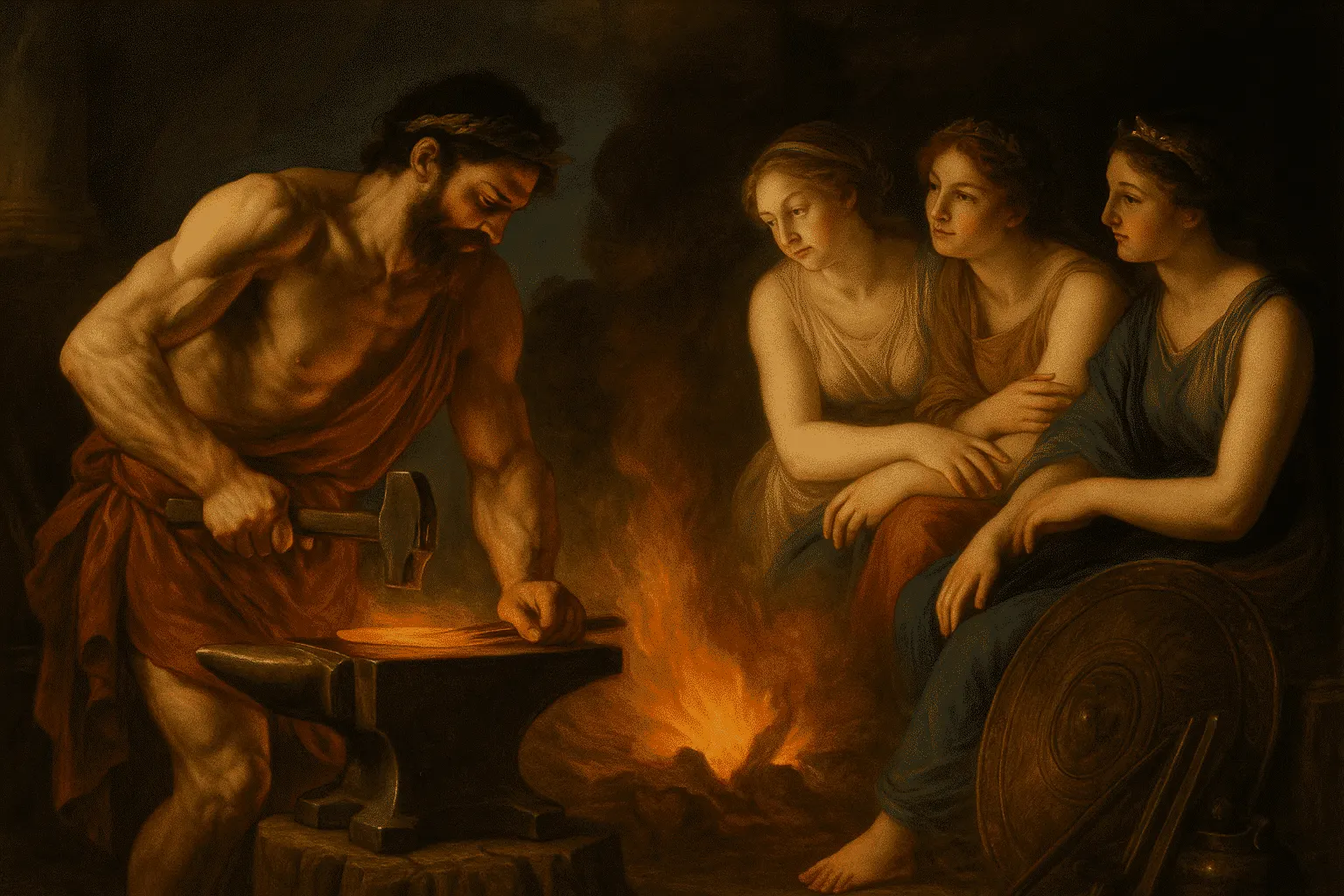
In ancient mythology, Vulcano was believed to be the workshop of Vulcan, the Roman god of fire and forge. Legend tells that Vulcan crafted powerful weapons for the gods within the island’s volcanic caves. Greek legends also speak of Aeolus, the god of winds, who trapped storms inside these caverns. According to Homer’s Odyssey, even the legendary hero Odysseus passed by these islands during his epic journey, encountering the mystical forces of wind and fire.
Roman Era and Early History

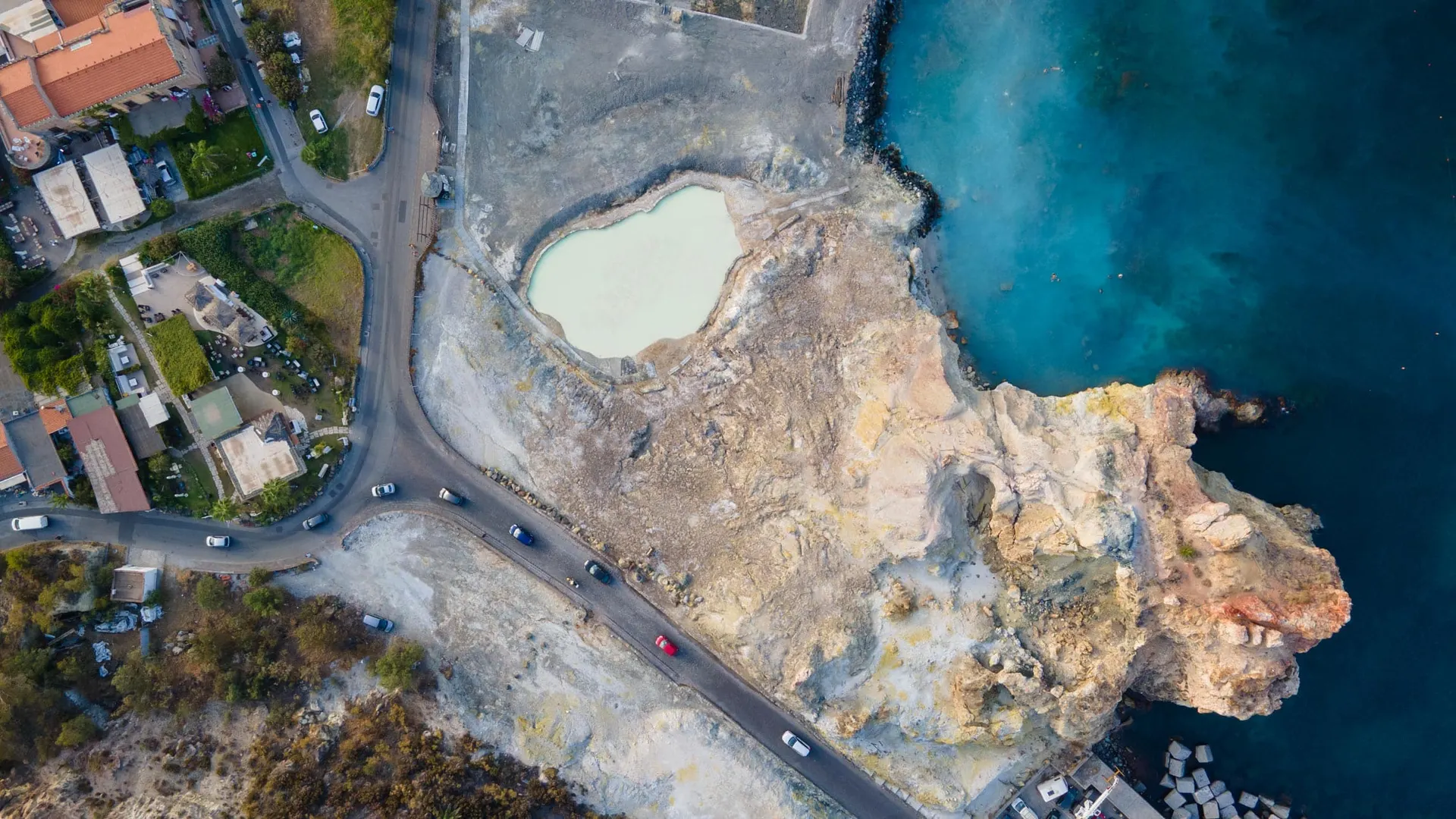
During the Roman Empire, the island was known as Therasia, Thermessa or Hiera and highly valued for its natural hot springs and therapeutic mud baths. The Romans believed these waters had healing properties and frequently visited Vulcano for relaxation and wellness. The island’s strategic position also made it a point of interest for maritime routes.

The Stevenson Era and the Eruption

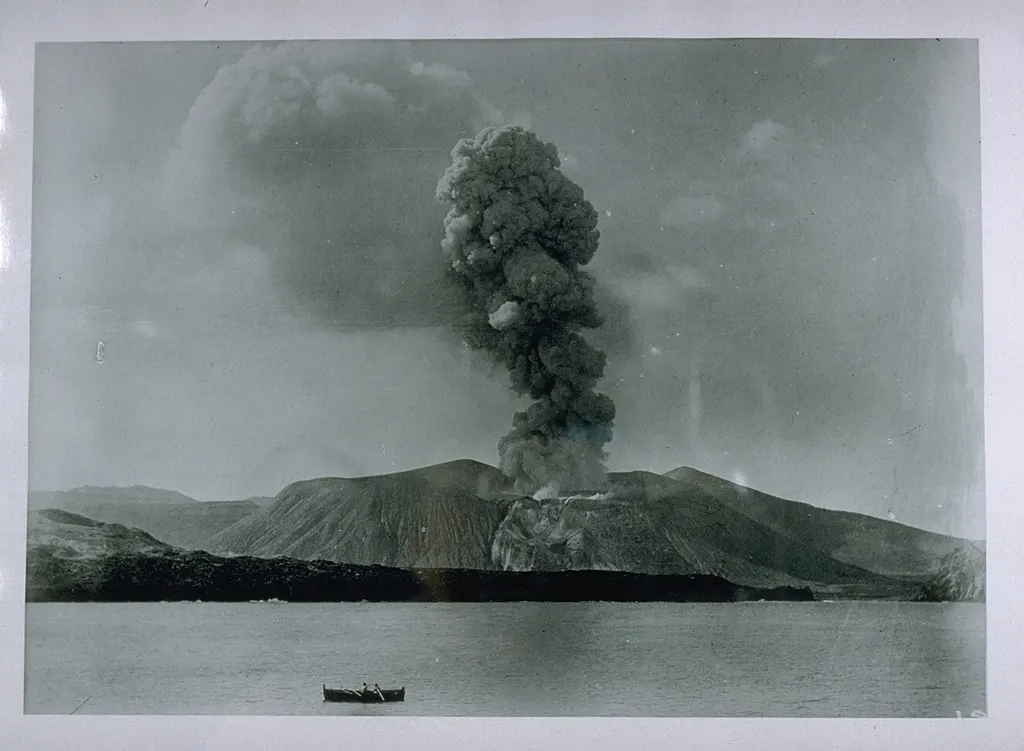
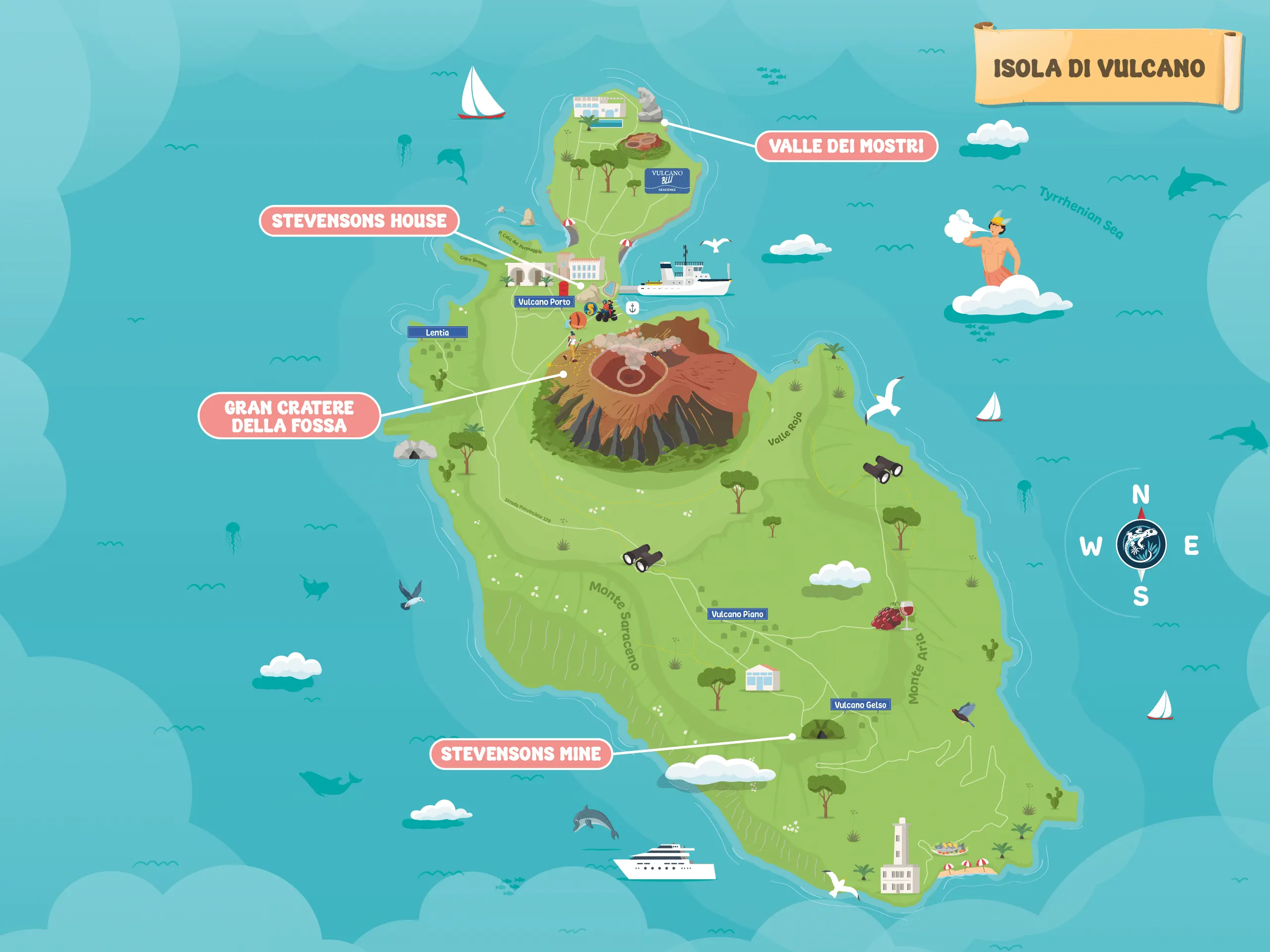
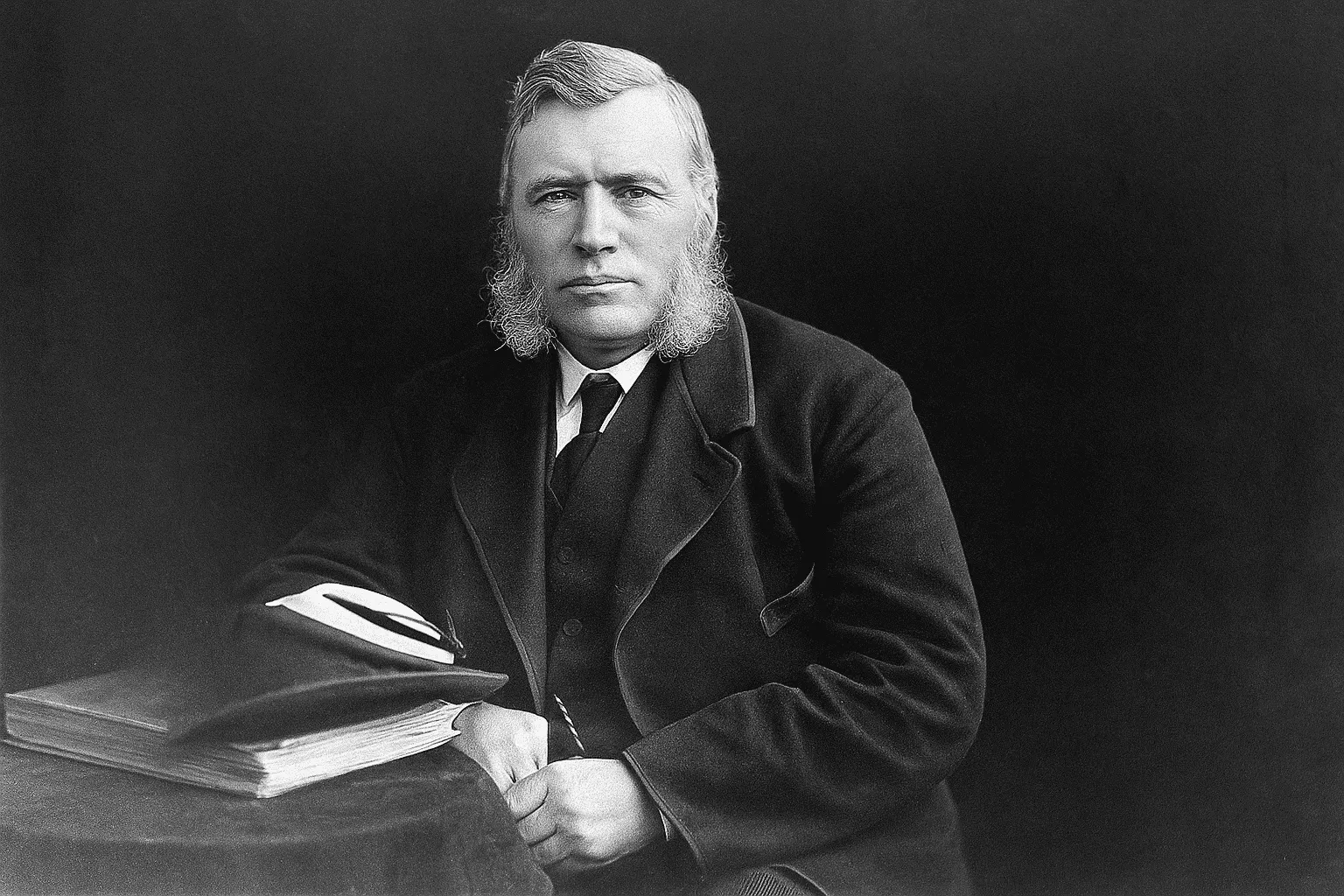
In the late 19th century, Scottish entrepreneur Sir James Stevenson acquired much of the island, transforming parts of it into agricultural land and building his estate—Il Castello di Vulcano. However, in 1888, a violent eruption forced him to leave the island permanently. Today, his former residence still stands and houses the well-known restaurant Il Castello di Vulcano, preserving a piece of this historical legacy.

Modern History and Volcanic Monitoring

The most recent significant eruption occurred in 1888–1890, known for its continuous explosions and powerful ash emissions. Since then, Vulcano has remained an active but quiet volcano. Today, the island is under constant observation by the Italian National Institute of Geophysics and Volcanology (INGV). Visitors interested in learning more about volcanic activity and safety measures can visit the INGV Visitor Center on the island.

Key Historical Landmarks

DID YOU KNOW?

  • The name “Vulcano” gave rise to the word volcano in multiple languages.
  • The last major eruption in 1888-1890 was so strong it created the famous “La Fossa” crater.
  • James Stevenson dreamed of turning Vulcano into a luxury resort island long before modern tourism arrived.

READY TO EXPLORE
VULCANO’S LIVING HISTORY?

EXPLORE

Frequently Asked Questions

Is the volcano on Vulcano active? Is it safe to visit?

Vulcano is a dormant but active volcano, monitored by the INGV, Italy’s National Institute of Geophysics and Volcanology. The last eruption was in 1888–1890, from the La Fossa cone. Fumaroles on the crater rim and along the shore at Porto Levante still emit gases, including hydrogen sulphide and carbon dioxide, which pool in hollows and can be dangerous. Keep away from the vents, do not linger downwind of them, and never visit fumarole areas at night or alone. Access to the Gran Cratere may be regulated based on volcanic activity and weather: check before you go. The INGV publishes the current alert level.

Why does Vulcano smell of sulphur?

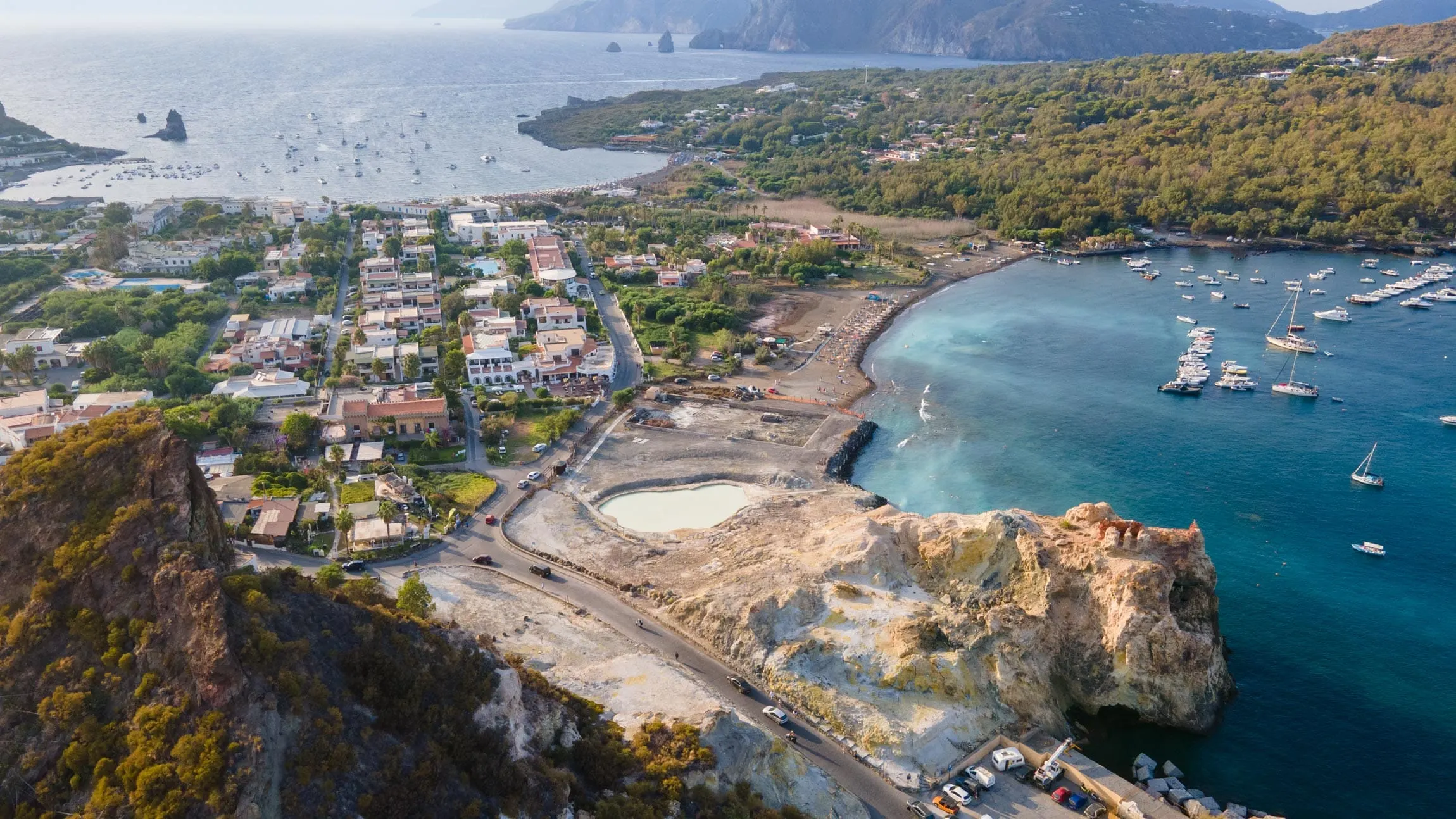
The smell comes from the island’s fumaroles: vents that release volcanic gases, including hydrogen sulphide. Vulcano is dormant but active, and the vents on the rim of the Gran Cratere della Fossa and along the shore at Porto Levante are monitored by the INGV. The yellow crust on the Faraglione, the rock stack at the port, is sulphur. At Porto Levante the same gas vents heat the shallow sea of the Acque Calde. The gases pool in hollows: do not approach the vents closely or linger downwind of them.